
Everything You Need to Know Before Buying Your First Home
Introduction
Buying your first home is one of the biggest financial decisions you’ll ever make. While homeownership can be
exciting, the process can also feel overwhelming. Between saving a down payment, understanding mortgage
options, improving your credit score, and navigating closing costs, there is a lot to learn before you receive the
keys to your new home.
The good news is that with proper planning and the right guidance, buying your first home in Canada can be a
smooth and rewarding experience.
This guide will walk you through everything first-time home buyers need to know in 2026, including down
payment requirements, mortgage qualification, government programs, closing costs, and common mistakes to
avoid.
Step 1: Determine Your Budget
Before browsing listings online, it’s important to understand what you can realistically afford.
Many buyers focus only on the purchase price, but lenders look at much more than that.
Your affordability depends on:
– Household income
– Existing debt
– Credit score
– Down payment
– Property taxes
– Condo fees
– Heating costs
– Mortgage interest rates
Getting a mortgage pre-approval is often the best first step because it provides a clear understanding of your
budget.
Step 2: Understand Mortgage Pre-Approval
A mortgage pre-approval is an assessment by a lender that estimates how much you may qualify to borrow.
Benefits of getting pre-approved include:
– Understanding your purchasing power
– Locking in an interest rate for a limited period
– Strengthening your offer when buying a home
– Identifying potential qualification issues early
Keep in mind that a pre-approval is not a final approval. The property and your financial situation will still need
to be reviewed before funding.
Step 3: Save for Your Down Payment
Your down payment is the portion of the home’s purchase price that you pay upfront
Minimum Down Payment Requirements
Homes Under $500,000
Minimum down payment: 5%
Homes Between $500,000 and $1,499,999
– 5% on the first $500,000
– 10% on the remaining amount
Homes $1.5 Million and Above
Minimum down payment: 20%
The larger your down payment, the less you need to borrow and the lower your mortgage payments may be.
Example Down Payments
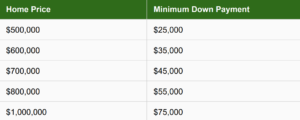
These examples are based on current Canadian minimum down payment rules.
Step 4: Understand Your Credit Score
Your credit score plays a major role in mortgage approval.
A strong credit profile can:
– Improve approval chances
Mortgages with Aashish | 416-697-8745 | aashish@lendinghub.ca Page 3
– Increase lender options
– Help secure better rates
– Improve borrowing power
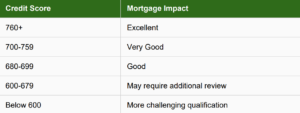
If your credit score needs improvement, focus on making payments on time and reducing outstanding
balances.
Step 5: Learn About Canada’s Mortgage Stress Test
Most Canadian borrowers must qualify using the Mortgage Stress Test.
This means lenders qualify you using a higher interest rate than your actual mortgage rate.
The purpose is to ensure homeowners can still afford their mortgage if rates rise in the future.
Many first-time buyers are surprised to learn that the stress test can reduce the amount they qualify for.
Step 6: Take Advantage of First-Time Home Buyer Programs
Home?
Canada offers several programs designed to help first-time buyers.
First Home Savings Account (FHSA)
The FHSA combines the best features of an RRSP and TFSA.
Benefits include:
– Tax-deductible contributions
– Tax-free growth
– Tax-free withdrawals for qualifying home purchases
For many first-time buyers, the FHSA is one of the most powerful savings tools available
Home Buyers’ Plan (HBP)
The Home Buyers’ Plan allows eligible buyers to withdraw funds from their RRSP to purchase a home.
Benefits include:
– Access to savings for your down payment
– No immediate tax consequences when rules are followed
– Increased purchasing power
Many buyers use both the FHSA and HBP together
Step 7: Understand Closing Costs
One of the most common mistakes first-time buyers make is forgetting about closing costs.
In addition to your down payment, you may need funds for:
– Legal fees
– Land transfer tax
– Title insurance
– Home inspection
– Appraisal fees
– Adjustments and prepaid expenses
A good rule of thumb is to budget approximately 1.5%-4% of the purchase price for closing costs.
Land Transfer Tax in Ontario
Ontario buyers may be required to pay Land Transfer Tax.
If purchasing in Toronto, buyers may also be subject to Toronto’s Municipal Land Transfer Tax.
The good news is that first-time home buyers may qualify for rebates that help reduce these costs.
Step 8: Choose the Right Mortgage
The larger your down payment, the easier qualification becomes.
Understanding Canada’s Mortgage Stress Test
Not all mortgages are the same.
Some of the most common options include:
Fixed Rate Mortgages
Benefits:
– Predictable payments
– Protection from interest rate increases
– Easier budgeting
Variable Rate Mortgages
Benefits:
– Potential interest savings
– Greater flexibility in some cases
However, payments or interest costs may change depending on market conditions.
Mortgage Broker vs Bank
Many first-time buyers automatically visit their bank when shopping for a mortgage.
However, working with a mortgage broker can provide access to multiple lenders through a single application.
Potential benefits include:
– More lender options
– Competitive rates
– Flexible solutions
– Professional guidance throughout the process
The right solution depends on your individual situation
Common Mistakes First-Time Home Buyers Make
Shopping Before Getting Pre-Approved
Looking at homes before knowing your budget can lead to disappointment.
Taking on New Debt
Buying a vehicle or increasing credit card balances before closing can impact mortgage approval.
Draining All Savings
It’s important to maintain an emergency fund after closing.
Ignoring Closing Costs
Many buyers focus only on the down payment and forget additional expenses.
Choosing a Mortgage Based Solely on Rate
The lowest rate isn’t always the best mortgage.
Features, flexibility, penalties, and prepayment privileges also matter.
What Documents Will You Need?
Lenders commonly request:
– Government-issued ID
– Employment letter
– Recent pay stubs
– T4s
– Tax returns, if applicable
– Bank statements
– Down payment verification
Having documents organized early can help streamline the approval process.
What Happens After Your Offer Is Accepted?
Once your offer is accepted:
– Mortgage approval is finalized
– Property details are reviewed
– Legal documents are prepared
– Closing funds are arranged
– Ownership is transferred on closing day
After closing, you’ll receive the keys to your new home.
Frequently Asked Questions
How much income do I need to buy my first home?
It depends on income, debt, down payment, property taxes, and mortgage rates.
A mortgage pre-approval can provide a personalized answer.
Can I buy with less than 20% down?
Yes.
Many Canadian buyers purchase homes with less than 20% down.
Is it better to save 20%?
A larger down payment can reduce borrowing costs, but waiting years to save more may not always be the
best strategy.
How long does mortgage approval take?
Many approvals can be completed within a few days, although timelines vary.
Should I work with a mortgage broker?
A mortgage broker can help compare options across multiple lenders and provide guidance throughout the process.
Final Thoughts
Buying your first home is an exciting milestone, but preparation is essential.
By understanding mortgage qualification, saving for a down payment, improving your credit profile, and taking
advantage of available government programs, you can position yourself for success.
The earlier you begin planning, the more options you’ll have when it’s time to purchase.
Ready to Buy Your First Home?
Whether you’re just beginning your homeownership journey or actively searching for a property, professional
mortgage advice can help you make informed decisions with confidence.
Contact Aashish Sood
Mortgages with Aashish | 416-697-8745 | aashish@lendinghub.ca
Helping first-time home buyers navigate the mortgage process with confidence.